At the 2025 ACCPA Conference, Sabrina Nault and Lukasz Herba shared the story behind Project Intersections, a photography and storytelling exhibit that asks a simple but powerful question: What happens when we truly see the people around us? The exhibit was featured as part of the conference’s photography program and was created by Lukasz Herba and Sabrina Nault.
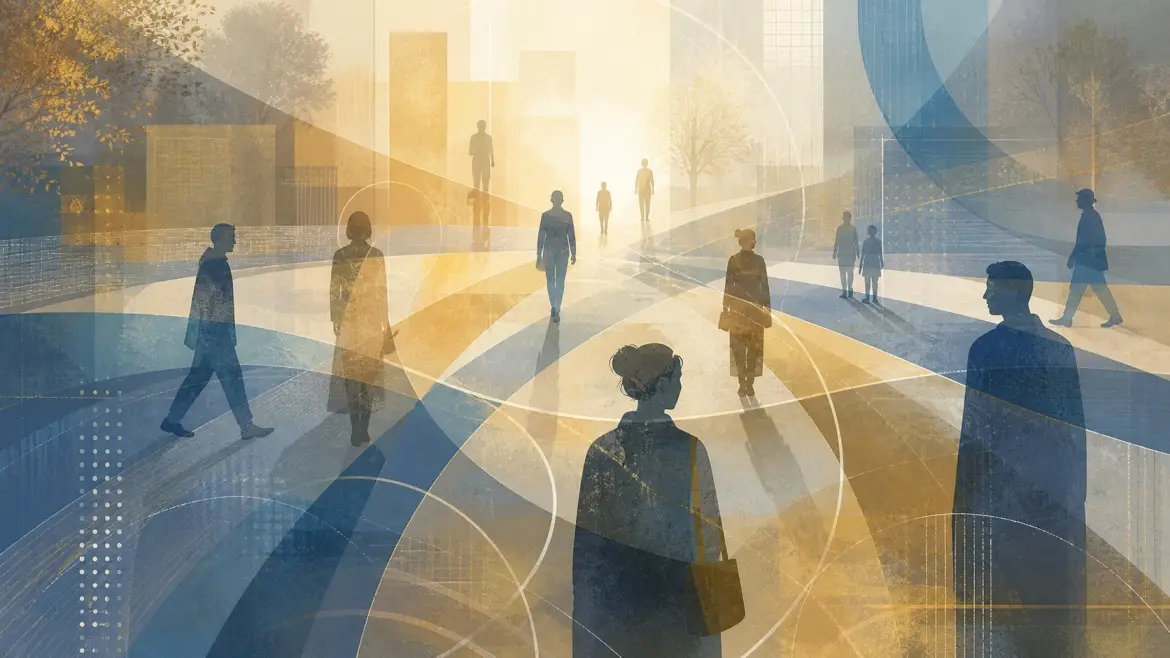
Project Intersections is built around the idea that many lives briefly cross ours every day. We pass people on streets, in shelters, in public spaces, and in communities. Often, we look away. Sometimes, we notice for a second and then move on. This project challenges that habit.
For Lukasz, the roots of this work go back to his early experience working in a homeless shelter in Grande Prairie. He later worked in youth and women’s shelters, where he encountered people carrying difficult stories and complex life experiences. Those experiences shaped the way he saw people, vulnerability, and silence. His background in social work and photography eventually came together in Intersections.
The project uses photography not just as an artistic tool, but as a way to create attention. Each image invites viewers to slow down. The focus is not on spectacle or shock. It is on emotion, presence, and recognition. The images ask us to consider the human stories behind the faces and hands we may otherwise ignore.
Sabrina’s role as a storyteller adds another layer to the work. Together, Sabrina and Lukasz use image and narrative to bring forward stories that are often hidden in plain sight. Their work reminds us that community safety is not only about enforcement, programs, or systems. It is also about empathy, awareness, and the willingness to recognize people before they disappear into the background of daily life.
For ACCPA, Project Intersections fits naturally into a larger conversation about crime prevention and community wellbeing. Safer communities are built through connection. They are built when people, organizations, and systems understand that behind every issue are human beings with histories, needs, and dignity.
The power of Project Intersections lies in its restraint. It does not tell the viewer exactly what to think. Instead, it creates space. It asks us to look more carefully, listen more openly, and reflect on the quiet moments where our lives intersect with others.
In a world that often moves too quickly, this project offers a pause.
It reminds us that seeing someone clearly can be the first step toward understanding them. And understanding, in many ways, is where community safety begins.